Published: October 6, 2026 at 11:18 AM PDT
A quote of 2.75% per month can sound modest when stated as a monthly figure. Annualized, it is 33% before you account for how the lender calculates interest, any fees, and what happens if you extend the loan. Is that “normal” for a watch loan? It may be a rate you encounter in short-term, asset-backed lending, but normal does not automatically mean affordable, competitive, or right for you.
The answer depends on the loan structure, the watch, the lender, and your plan for repayment. Before discussing a watch’s value or a loan amount, I want the exact reference number—not “it’s a Submariner, you know the one.” Different references, production periods, materials, and configurations can produce very different valuations. Then we can compare the loan’s total cost with the realistic alternatives, including a short term cash vs selling watch decision.
What Does 2.75% per Month Actually Mean?
If a lender charges 2.75% of the original principal each month, the simple annualized interest rate is 33%: 2.75% multiplied by 12. That calculation is useful for comparison, but it may not be the complete cost of borrowing. The loan agreement and required disclosures determine how interest accrues and whether fees apply.
For illustration, on a $5,000 loan, 2.75% of the original principal is $137.50 per month. If interest is charged simply on that original amount, three months of interest would total $412.50, before any additional charges. If unpaid interest is added to the balance and itself accrues interest, the cost would be different. A setup fee, storage charge, renewal fee, or other cost can also change the effective price.

“33% APR collateral loan” is a useful search phrase, but compare the written disclosures, not just a headline rate. Ask for the total amount due on specific dates, the payoff amount if you repay early, and the consequences of missing a payment or maturity date. If the lender cannot explain the math in plain language, pause before handing over a valuable watch.
Is That Rate Normal for a Watch-Backed Loan?
There is no single universal rate for watch loans. A collateral loan is priced around more than the watch’s retail price: the lender is assessing liquidity, resale risk, authentication costs, storage, loan duration, and the chance that the collateral may need to be sold if the borrower does not repay. A fast, short-term loan may cost more than a conventional loan secured by property or offered to a borrower with a broader credit relationship.
That helps explain why a rate can be common in one lending channel and expensive compared with another. “Normal” is a description of what a borrower might encounter—not a recommendation. Compare at least two written offers when practical, and compare them over the same principal and term. One quote may advertise a lower monthly rate but include a substantial fee; another may charge more interest but have a clearer payoff schedule.
Questions to Ask Before Accepting
- What amount will I receive after all upfront deductions? What is the total payoff after 30, 60, and 90 days? Does the quoted rate apply to the original amount or the outstanding balance? What fees apply at intake, renewal, late payment, or payoff? Can I repay early, and how is interest calculated if I do? What happens to the watch if I cannot repay on time? Will I receive a written receipt identifying the watch and its condition?
Reference Number Accuracy Comes First
Before anyone estimates a loan advance, establish precisely what watch is being evaluated. The reference number is a starting point, not a complete description. A full assessment may also require the serial range or production period, case material, dial and bezel details, bracelet or strap, and whether the configuration appears correct for that reference.
Two watches from the same broad family can have different demand and resale values. A seller who says only “it’s a Submariner” has not provided enough information for a responsible estimate. Even a correct reference does not settle every question: components may have been replaced, the watch may have been modified, or the reference may cover multiple configurations. If the number is difficult to locate or the watch has been serviced, a qualified professional can help identify it without guessing.
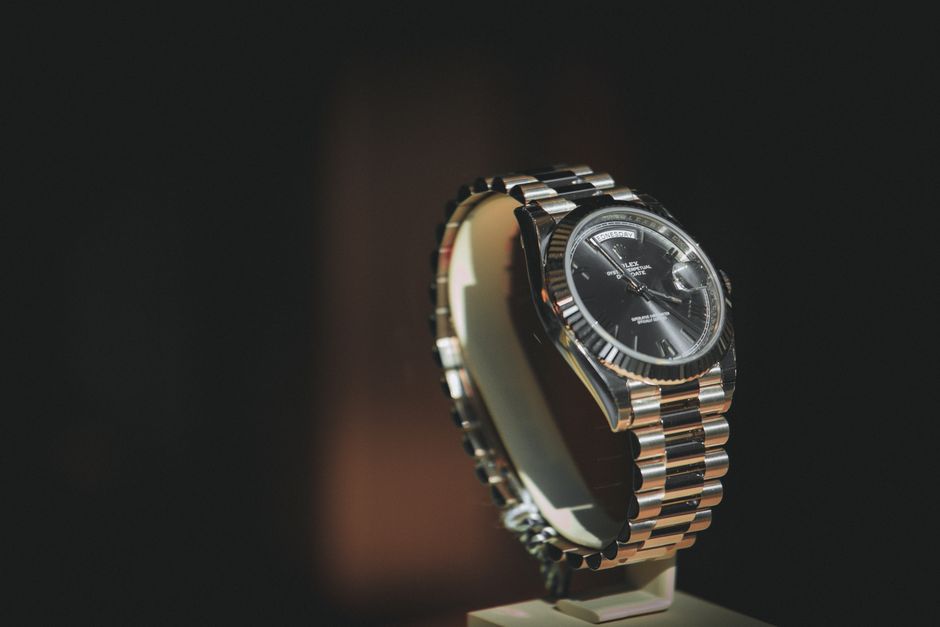
For an initial conversation, share clear photographs and the exact reference if known. Treat any remote estimate as provisional until the watch has been examined and authenticated. An inaccurate reference can distort both the expected loan advance and the comparison between loaning and selling.
Market Cycles and Price Anchoring
Watch prices move. Demand, available inventory, interest rates, collector preferences, and broader economic conditions can all affect what a buyer will pay. A memorable headline about a record auction—or a price someone saw during a hot market—does not establish today’s realizable value. A lender generally needs to think about what the watch could reasonably sell for within a relevant time frame, not what it once sold for at the top of a cycle.
Price anchoring happens when an owner focuses on a prior purchase price, a friend’s unusually strong sale, or an online asking price and uses it as the baseline for every conversation. Asking prices are not completed transactions. Online marketplaces can be helpful as a private sales reference, especially for identifying comparable references and seeing current listings, but listings may be stale, optimistic, incomplete, or not truly comparable. Look for recent completed sales where reliable information is available, and account for condition, completeness, seller reputation, and transaction costs.
It is reasonable to ask a lender how it reached its offer. A useful explanation should identify the watch, comparable evidence, condition adjustments, and the lending margin. If you receive an offer you consider too low, ask what assumptions drove it. A buyer or lender who will not explain the offer leaves you with little basis for deciding whether to accept, negotiate, or walk away.
Condition and Originality Versus Paperwork
Box and papers can help document a watch’s history and completeness, and some buyers value a complete set. But paperwork alone does not prove that every component is original, that the watch is authentic, or that it is in excellent condition. Conversely, a watch without its original box or papers is not automatically worthless. Its reference, authenticity, condition, originality, service history, and market demand still matter.
Examine the case, dial, hands, bezel, bracelet, and movement as appropriate for the model. Polishing, replacement parts, aftermarket components, damage, and service needs can affect a lender’s risk assessment. Be honest about known repairs or modifications. An intake inspection may identify concerns that are not visible in casual photographs.
Keep a record of the watch’s condition at handoff. Ask the lender to document identifying details and visible wear on the receipt or intake form, and confirm how the watch will be stored and insured sandiegouniontribune.com under the agreement. Never assume that a verbal statement about care or coverage replaces written terms.
Collateral Loans Using Watches: The Trade-Off
With a collateral loan, you pledge the watch to secure repayment. The appeal is that you may access cash without immediately selling an item you hope to keep. But the watch is out of your possession during the loan, and failure to meet the contract terms can put it at risk. Read the agreement closely and understand the deadline, renewal rules, grace periods, and process if you default.
A loan may make sense when you have a defined, credible repayment source and the cost is worth the temporary access to cash. It is less attractive when the repayment plan is “I’ll figure it out later,” when the loan must be repeatedly renewed, or when losing the watch would be especially painful. Multiple extensions can turn a supposedly short-term bridge into expensive borrowing.
Loan or Sale: A Practical Comparison
Estimate the net sale proceeds. Use realistic completed-sale comparisons and account for selling fees, shipping, insurance, and the time required to find a buyer. Calculate the full loan payoff. Get written totals for the date you expect to repay, including applicable fees. Set a repayment date and source. Identify the income, asset sale, or other funds that will repay the balance. Consider the downside. Decide whether you can tolerate the risk of losing the watch if repayment falls through. Compare other options. A conventional loan, a less expensive line of credit, or an outright sale may better fit your circumstances.If you would be comfortable selling the watch and do not have a dependable repayment plan, selling may be cleaner than borrowing against it. If you want to keep it and can repay promptly, a collateral loan may be a useful bridge—provided the written cost and custody terms are acceptable.
Do Your Homework Before the Appointment
Bring the exact reference if available, clear photographs, any service records, and paperwork you have. Make a short list of questions about rate, fees, term, payoff, and storage. Compare quotes on the same assumptions, and do not let urgency pressure you into signing documents you have not read.
Media and business names can appear in very different contexts—whether you are reading the San Diego Union-Tribune, seeing a reference to Ascend Agency, or encountering Studio 1847. A company name or published discussion is not, by itself, proof that a particular loan is fairly priced or appropriate for you. Evaluate the actual lender, its written agreement, and the specific watch in front of you.
Some online articles also offer a Trinity Audio player for listening. Whether you read or listen, use the same standard: verify the reference, distinguish an asking price from a sale, and calculate the full borrowing cost rather than relying on a headline.
The Bottom Line
A 2.75% monthly charge—often described as 33% annualized—may be encountered in watch-backed short-term lending, but the label “normal” does not answer whether the deal is sensible. The true cost depends on the contract, fees, accrual method, and how long you keep the loan outstanding. The watch’s exact reference, originality, condition, and current market also shape the collateral offer.
Get the terms in writing, ask for the payoff amount on your expected repayment date, and compare that number with a realistic private-sale alternative. Most importantly, borrow only when you understand what happens if repayment is late. The right decision is not the one justified by an old price headline; it is the one that fits your actual cash need, repayment plan, and willingness to put the watch at risk.